….No government appointment or contracts despite investing heavily in party’s 2024 victory
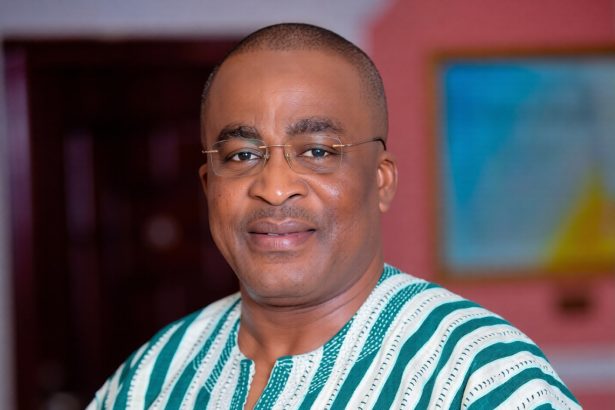
The Greater Accra Regional Chairman of the governing National Democratic Congress (NDC), Emmanuel Nii Ashie Moore, has expressed frustration over what he describes as the neglect of party loyalists who made enormous financial and personal sacrifices to return the party to power in the December 2024 general election.
Mr Ashie Moore, who is seeking re-election as Regional Chairman, has revealed that despite investing substantial resources in the party’s political activities and contributing to its electoral success, he has neither received an appointment in President John Dramani Mahama’s administration nor secured a government contract for any of his six companies.
The former Member of Parliament for Adenta said the situation had left him disappointed, particularly as grassroots supporters who worked tirelessly for the NDC’s victory continued to complain about their exclusion from opportunities under the government they helped bring to power.
His remarks come barely a week before the NDC’s Greater Accra regional executive elections, scheduled for Saturday, November 14, 2026, amid growing concerns among sections of the party’s grassroots over appointments, employment opportunities and access to government officials.
More Read
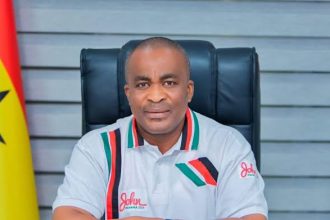
Mr Ashie Moore made the revelations during a campaign tour of Ablekuma South, Ablekuma West and Ablekuma North, where he interacted with constituency executives and delegates as part of efforts to retain his position.
The tour, which is expected to cover constituencies across the Greater Accra Region, has provided an opportunity for delegates to raise concerns about the treatment of party members following the NDC’s return to government.
In a video of one of the engagements circulating on social media, Mr Ashie Moore acknowledged the frustrations expressed by delegates, insisting that their grievances were genuine and deserved serious attention from the party’s leadership.
“I am telling you on authority, and your questions are genuine,” he told the gathering, before referring to difficulties some party supporters had encountered in securing recruitment opportunities within the national security establishment.
He suggested that even individuals close to him who had contributed to the party’s electoral victory had been unable to benefit from recruitment opportunities.
The Regional Chairman then turned to his personal circumstances, revealing that he owned six companies but had not benefited from government contracts despite what he described as his unprecedented financial commitment to the party in the Greater Accra Region.
“Youth organiser, I have six companies as a regional chairman. The sacrifice that I made for this party. The investment that I did for this party,” he said.
“Look at the money that’s sunk into this party in this region. It has never happened. No regional chairman has made that investment before in the history of the NDC.”
He added that none of his companies had been awarded government contracts, including relatively modest assignments such as desilting works.
“None of my companies has been given contracts, even to talk of desilting,” he lamented.
His disclosures have raised questions about the expectations of political financiers and party executives who invest substantial personal resources in electoral campaigns, only to find themselves without government appointments or business opportunities after their parties assume power.
Mr Ashie Moore also complained that his political exposure had affected his ability to access credit from financial institutions, making it difficult to sustain his private businesses.
According to him, banks had cited his status as a politically exposed person when declining his loan applications.
“But I love the party. I have nowhere to go. I have exposed myself. So when you go to the bank to take a loan, they will tell you that you are politically exposed. So you don’t get the loan to work,” he said.
He suggested that his years of political commitment had placed him in a difficult position, where his association with the NDC had become inseparable from his personal and business interests.
“So when I leave, where am I going?” he asked, stressing that his loyalty to the party remained firm despite his disappointment.
The Regional Chairman urged delegates to renew his mandate, indicating that he remained determined to work with them to address their grievances.
“Let’s do it again. Then we’ll see what will happen. We are not happy,” he told the gathering.
Beyond the absence of government contracts, Mr Ashie Moore expressed concern about the difficulties party executives and grassroots supporters encounter when attempting to secure appointments with government officials.
He said the situation had become so frustrating that he sometimes questioned his own standing within the administration, despite occupying one of the NDC’s most influential regional positions.
“Whenever I visit the constituency offices, it breaks my heart. I sometimes ask myself who I really am in this government. I have to lobby before I can even secure an appointment,” he said.
Mr Ashie Moore disclosed that he had not been offered any formal position in the Mahama administration, notwithstanding his contribution to the party’s electoral fortunes.
“I am not a presidential staffer, and despite everything I have done and the sacrifices I have made for this party, I have not been given any appointment in this government,” he stated.
His comments appear to reflect broader frustrations within sections of the ruling NDC, where some constituency executives, campaign activists and longstanding supporters have complained about what they perceive as inadequate recognition for their contributions to the party’s electoral success.
The concerns have become particularly significant as the party prepares for its internal elections, with candidates seeking executive positions facing questions from delegates about employment, government appointments and economic opportunities.
For some grassroots supporters, the NDC’s return to government was expected to improve their economic circumstances after years in opposition.
However, the complaints emerging from the regional chairman’s engagements suggest that expectations among some party loyalists remain unmet.
Mr Ashie Moore’s public admission that he has not secured government contracts for his companies also brings into focus the delicate relationship between political financing, party loyalty and access to state resources.
Although political parties depend heavily on financial contributions and organizational support from members, the award of public contracts is expected to follow established procurement procedures rather than political affiliation.
His remarks have consequently introduced another dimension to the debate over whether party financiers and campaign activists should expect appointments or commercial opportunities as recognition for their contributions to electoral victories.
The controversy comes at a crucial moment in Mr Ashie Moore’s political career as he seeks another term as Greater Accra Regional Chairman.
He faces competition from other prominent NDC figures, including Krowor Constituency Chairman Benjamin Danso and former Ningo-Prampram parliamentary candidate Michael Tetteh Kwetey.
Mr Kwetey has secured the Number One position on the ballot paper, while Mr Danso, who successfully passed the party’s vetting process, occupies the Number Four position.
The November 14 election is expected to test Mr Ashie Moore’s popularity among delegates, particularly against the backdrop of concerns about the party’s relationship with its grassroots supporters.
His campaign has placed considerable emphasis on his financial sacrifices, loyalty and longstanding commitment to the NDC, as well as his understanding of the challenges confronting constituency executives.
However, his complaints about the treatment of party loyalists could also intensify scrutiny of the Mahama administration’s handling of political appointments and opportunities for supporters who contributed to the party’s return to power.
For now, Mr Ashie Moore insists that despite his disappointment, he has no intention of abandoning the NDC, maintaining that his political future remains firmly tied to the party and the grassroots supporters whose backing he is seeking once again.