The government is targeting Axim’s agricultural and fisheries potential for industrial development, with a new policy approach aimed at moving the area beyond the production of raw commodities.
Deputy Minister for Trade, Agribusiness and Industry, Sampson Ahi, says the government wants Axim’s agricultural resources, 13 landing beaches and other local assets connected to processing, investment and international markets to create more jobs and retain greater value within the local economy.
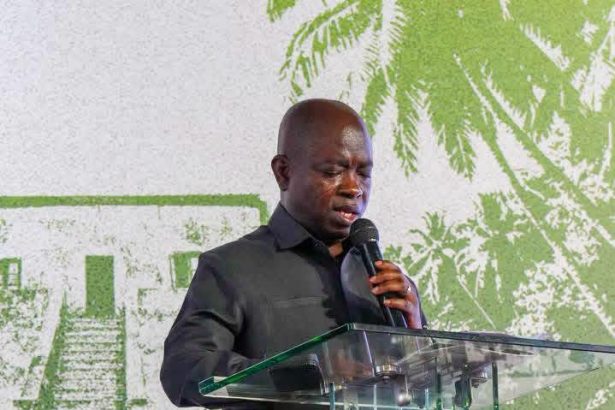
Speaking at the Axim Business Summit 2026 on Thursday, September 10, Mr Ahi, who represented Trade, Agribusiness and Industry Minister Elizabeth Ofosu-Adjare, said the government was treating production, processing and trade as a single value chain.
He said Axim’s resources provide an opportunity to build industries around what the area already produces rather than allowing value to be lost through the export of unprocessed commodities.
The Deputy Minister pointed to Axim’s fertile agricultural land and fisheries sector, alongside its cultural and historical assets such as Fort Saint Anthony, as areas that could support a broader local economic transformation.
More Read

He said connecting these sectors to capital, processing infrastructure and markets under the African Continental Free Trade Area (AfCFTA) would give local businesses the opportunity to expand and compete internationally.
The government’s strategy includes the National Agribusiness Policy, Feed the Industry Programme, Accelerated Export Development Programme and the 24-Hour Economy Policy.
Mr Ahi said the policies would support agro-processing and the development of the blue economy, while creating opportunities for women and young people.
He also said the government wants products from the area to build a reputation for quality under the “Made in Axim” concept.
The summit brought together traditional authorities and other stakeholders, with the Lower Axim Traditional Council President, Awulae Atubrukusu III, and Upper Axim Traditional Council President, Awulae Kwaw Armah II, serving as co-chairs.
The government said traditional authorities would be important partners in translating the policy direction into sustained local development.