By Patrick Biddah
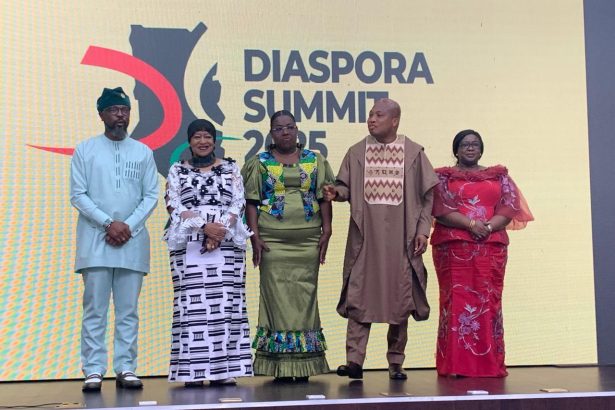
Ghana’s upcoming Diaspora Summit 2025, scheduled for December 19–20 at the Accra International Conference Centre, will mark a pivotal moment in the struggle for reparations.
Under the theme “Resetting Ghana – The Diaspora as the 17th Region”, the summit will serve not merely as a cultural homecoming but as a powerful continuation of the struggle for reparatory justice.
This struggle, however, transcends financial compensation and is rooted in dignity, accountability and historical truth.
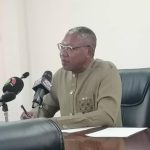
Speaking at the media launch, the Minister for Foreign Affairs, Samuel Okudzeto Ablakwa, emphasized that the fight for reparations is not about money, but about restoring the collective dignity of African people, both on the continent and in the diaspora.
More Read
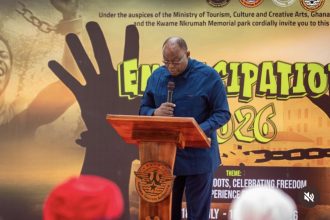
“Let us be clear, it is not about monetary gain. It is about a restoration of our dignity. It is about justice. It is about what is right,” the Minister stated.
He also emphasized the point about seeking reunification of the African in the diaspora and getting those who failed to divide the continent to own by to their responsibility.
A key highlight of the summit will be a Special Conference on Reparations which will convene scholars, policy-makers, legal experts and diaspora activists from across the globe.
The session aims to consolidate efforts and research, outline a continental strategy and reaffirm the call for accountability from nations and institutions that profited from the Transatlantic Slave Trade and colonial exploitation.
Ghana, already leading continental discourse, has received strong backing from the African Union, which has appointed President John Dramani Mahama as the official AU Champion for Reparations.
In recognition of Ghana’s leadership, the AU has extended Ghana’s mandate on reparations by 10 more years, from 2026 to 2036.
“We are glad to observe that so much has been achieved under the leadership of President Mahama. There is now considerable research, considerable focus. We are clear in our minds that justice will be done,” Ablakwa added.
In furtherance of the gesture of unity, the Minister, announced a visa waiver for all diaspora attendees of the summit, regardless of their country of origin.
“You do not ask your brother or sister to get a visa before visiting you. That would mean they are not your family. We are demonstrating by example that this is a true reunification,” the Minister declared.
This announcement, he explained ensures visa-free entry and no associated fees for summit participants from the Americas, the Caribbean, Europe and across Africa, aligning with Ghana’s open-arm diaspora engagement philosophy.
Ghana’s stance on reparations and diaspora engagement is consistent with its longstanding Pan-African tradition.
From welcoming Liberian refugees under the leadership of the late former President Jerry John Rawlings to offering sanctuary and solidarity to freedom fighters like the late Robert Mugabe of Zimbabwe and Sam Nujoma of Namibia, Ghana has always stood as a beacon for African dignity and liberation, according to the Minister.
Ablakwa, therefore affirmed that Ghana’s recent decision to receive deported Africans from the United States is part of this broader policy of non-discrimination and human compassion.
“We do not abandon our people. Ghana’s policy is guided by humanitarianism, solidarity, unity and principles that have guided us from the era of liberation struggles,” he noted.
“This is a movement for justice, and a moment for unity. The Diaspora Summit is not about celebration alone it is about conviction, courage and collective action,” Minister Ablakwa further stressed.
For his part, the Director of Diaspora Affairs Office at the Office of the President, Mr Kofi Okyere Darko said Ghanaians living abroad continue to play a critical role in the country’s economy, with remittances hitting $6.4 billion in 2024, contributing about 6% to Ghana’s GDP.
According to him, this figure is expected to surpass $6.8 billion by the end of 2025, reflecting the consistent financial commitment of the diaspora to their families and communities back home.
Mr Darko noted that the Ghanaian diaspora population is estimated between 3 to 5 million, spread across various parts of the world.
“Beyond the numbers, these are citizens and descendants who remain connected by memory, family, culture and who continue to serve as bridges between Ghana and global systems,” he said.